


Osteochondrosis means a pathology of the spine, the morphological substrate (basis) of which is a violation of the structure of the intervertebral discs.However, this concept is not completely correct, since, according to Western medical terminology, this nosological form means the degeneration of ossification centers, which is possible only in childhood.At the same time, the importance of the issue in this case does not depend on the term it is called, even though local doctors have a traditional opinion about the disease.In this article we will talk about how to treat osteochondrosis at home, as well as the prevention and diagnosis of this disease.
Symptoms of osteochondrosis
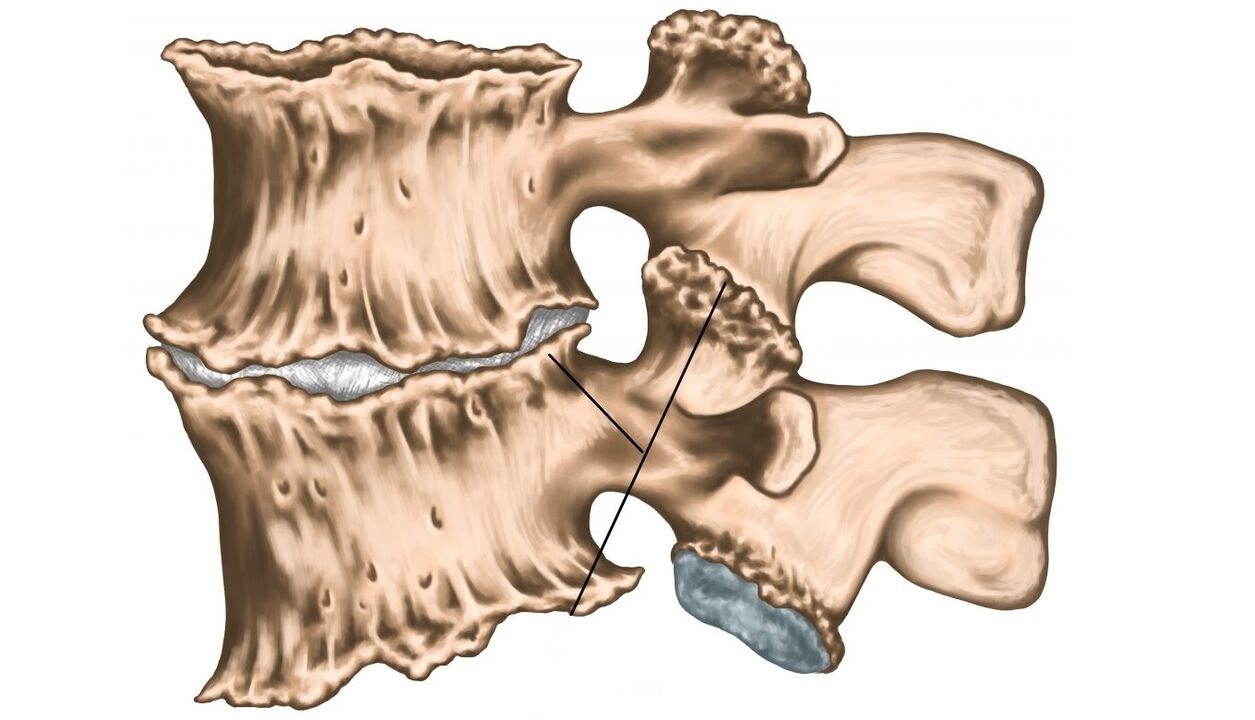
With osteochondrosis, the intervertebral hole narrows, squeezing blood vessels and nerves, and growths of bone tissue - osteophytes - appear along the edges of the vertebrae.
The morphology of the disease is quite specific.The pathology is an age-related change in the intervertebral discs, which with aging lose their elastic properties and become compressed.
As a result, the vertebrae move somewhat closer to each other and the intervertebral hole through which the spinal nerves exit narrows, deforming them and disrupting conduction.Due to this, not quite typical symptoms are observed, which consist in the appearance of local pain in the muscles and limbs.
Symptomatically, it is similar to radiculitis, spina bifida, tumor formations of the skeletal system of the spine and spinal cord membranes.Therefore, a visit to the doctor is necessary both to establish a diagnosis of osteochondrosis and to rule out these serious pathologies.
Immediate consultation with a doctor makes sense if symptoms such as limb weakness appear.If it is impossible to perform long-term operations related to arm movement, osteochondrosis is localized in the cervical region, and if such symptoms are observed for the lower extremities, then the lumbar region is affected.
It is relatively difficult to differentiate the complaints of patients with osteochondrosis of the thoracic spine, since autonomic disorders associated with cardialgia, impaired external breathing and symptoms of shortness of breath are most often observed there.
The diagnosis of the disease is based on taking an anamnesis.It should include information about the place of work and working hours.Here, proving the fact of lifting weights has a certain importance.It is impossible to make a diagnosis using laboratory methods, since basically the process is natural and manifests itself with aging.It is also non-inflammatory in nature.Instrumental methods include radiography of the spine in a specific section.This allows us to determine the degree of narrowing of the lumen between the bodies of two adjacent vertebrae, and, accordingly, to confirm the morphological substrate of the pathology.Methods such as CT and MRI can confirm the diagnosis in more detail and exclude similar nosological forms.
Treatment and prevention of osteochondrosis
Preventive measures to prevent osteochondrosis include physical exercises related to gymnastics, running and pull-ups.At the same time, heavy lifting causes the disease to worsen.It can often appear for the first time precisely during this manipulation.The patient feels tingling, numbness in the limb and in the area of the shoulder blade when lifting a load.
The treatment of osteochondrosis is conservative in nature and aims to reduce the manifestations of symptoms, since it is almost impossible to eliminate the root cause.To relieve symptoms, irritants are used that reflexively increase conduction in the nerve trunks.To treat osteochondrosis at home, you can recommend menthol ointments, pepper flakes and mustard plasters.A heating pad may be applied to the site.At the same time, physiotherapeutic methods are good in relieving the corresponding symptoms.In particular, in the clinic you can undergo electric shock sessions.
Pharmacological treatment includes analgesic therapy and agents that improve nerve conduction.The first group of drugs includes non-steroidal anti-inflammatory drugs.These are intramuscular or oral drugs.The dosage regimen is determined by the doctor.As a drug of the second group, a drug that partially reduces the lack of nerve trophism is effective.At the same time, care is not required for patients, since performing daily manipulations does not cause them any special difficulties, except for physical work, which is not recommended to perform.
Which doctor should I contact?
Manifestations of spinal osteochondrosis are mainly caused by compression of the roots of the spinal cord that emerge through the narrowed openings between the processes of the vertebrae.Therefore, a neurologist traditionally treats this disease.In addition, it is advisable to contact a vertebrologist - a specialist in diseases of the spine, or an orthopedist.A physiotherapist, a specialist in physical therapy and massage, a chiropractor, an osteopath and a reflexologist will help with treatment.